Get Residential Lawn Aeration
Residential lawn aeration services involve local contractors creating small holes in your yard to improve soil health, reduce compaction, and promote healthier grass growth.
Property owners considering lawn care improvements often explore services like residential lawn aeration to promote healthier, more resilient grass. Proper aeration can help alleviate soil compaction, improve water and nutrient absorption, and support stronger root growth. If your yard shows signs of thinning, pooling water, or feels hard underfoot, professional aeration might be a practical step to enhance its overall health and appearance.
For those planning to maintain or upgrade their outdoor space, comparing local contractors who specialize in lawn aeration can provide valuable options tailored to specific property needs. Connecting with experienced service providers in the area can help ensure the work is performed effectively, supporting a lush and vibrant lawn that complements the property’s landscape. Keep reading to learn more about how local experts can assist with this beneficial yard care service.
- Residential Lawn Aeration - homeowners may need this service to improve lawn health after experiencing soil compaction.
- Residential Lawn Aeration - property owners seeking to enhance grass growth and root development often consider this work.
- Residential Lawn Aeration - those preparing their yard for seasonal changes or new planting may require aeration services.
- Residential Lawn Aeration - individuals noticing uneven lawn areas or poor drainage might look for local contractors to perform aeration.
- Residential Lawn Aeration - residents aiming to maintain a lush, vibrant yard typically contact service providers for aeration needs.
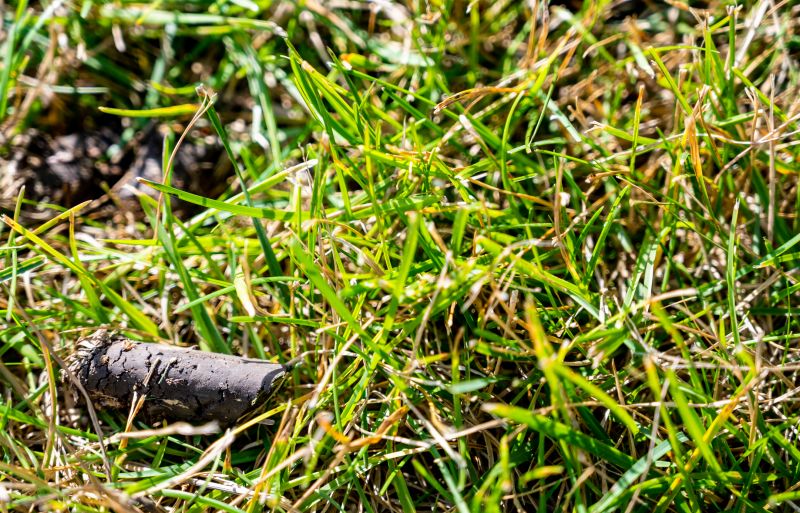
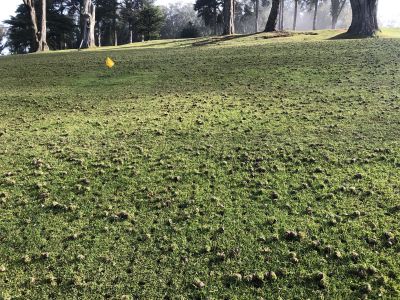
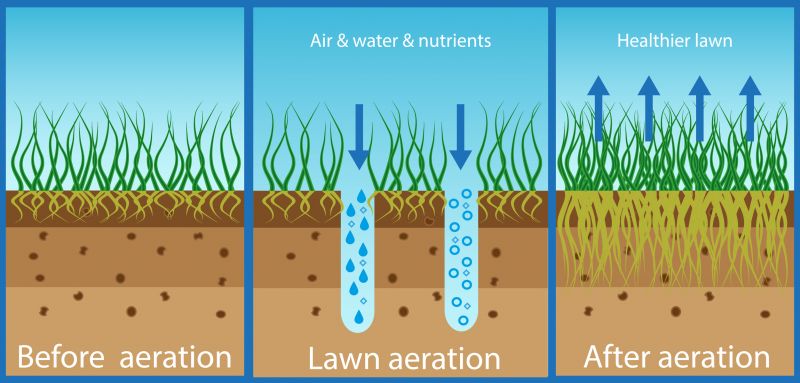
Residential lawn aeration services involve creating small holes or perforations in the soil of a yard to improve its overall health and appearance. This process typically uses specialized equipment to remove small plugs of soil from the ground, allowing air, water, and nutrients to penetrate deeper into the root zone. Aeration helps break up soil compaction and reduces thatch buildup, which can hinder grass growth. By enhancing soil conditions, aeration encourages a thicker, greener, and more resilient lawn, making it a valuable maintenance step for homeowners seeking a vibrant outdoor space.
This service addresses common lawn problems such as patchy grass, poor drainage, and slow recovery after heavy use or drought conditions. When soil becomes compacted over time-often due to foot traffic, heavy equipment, or clay-rich soils-grass roots struggle to access essential resources. Aeration alleviates this compaction, promoting healthier root development and more efficient absorption of water and nutrients. It also helps reduce surface runoff and pooling, which can lead to erosion and uneven growth. Regular aeration can be especially beneficial for lawns that show signs of thinning or have difficulty bouncing back after seasonal stresses.
Properties that typically benefit from residential lawn aeration include those with high foot traffic, large yards, or areas with dense clay soils. Homeowners with established lawns that haven't been aerated in a while may notice improved grass density and color after the service. Aeration is also recommended for lawns that experience frequent drought stress or are prone to standing water. Whether the yard is used for outdoor activities, gardening, or simply as a visual feature of the property, aeration helps maintain a healthy, lush appearance. Local contractors can assess specific lawn conditions and recommend the appropriate aeration approach to meet individual needs.
For homeowners considering lawn aeration, connecting with experienced local service providers can ensure the job is done effectively. These professionals have the tools and expertise to evaluate soil conditions, determine the right timing, and perform aeration properly. Regular aeration can be an essential part of ongoing lawn care, helping to prevent problems before they develop and supporting a healthy, attractive yard. By choosing qualified local contractors, homeowners can find the right solution to improve their lawn’s vitality and enjoy a more vibrant outdoor space.
The overview below groups typical Residential Lawn Aeration projects into broad ranges so you can see how smaller, mid-sized, and larger jobs often compare in your area.
In many markets, a large share of routine jobs stays in the lower and middle ranges, while only a smaller percentage of projects moves into the highest bands when the work is more complex or site conditions are harder than average.
Small Residential Projects - Typical costs for basic lawn aeration on smaller residential lawns generally range from $250 to $600. Many routine jobs fall within this middle range, depending on yard size and soil conditions.
Medium-Sized Lawns - For larger residential properties or moderate aeration needs, prices often range from $600 to $1,200. These projects are common and usually involve standard equipment and procedures.
Large or Complex Projects - Larger, more complex lawn aeration jobs can cost $1,200 to $3,000 or more. Fewer projects fall into this high tier, typically involving extensive work or difficult terrain.
Full Lawn Renovation or Multiple Treatments - Complete lawn renovation or multiple aeration sessions can reach $3,000+ in some cases. These are less common and usually involve significant labor and specialized equipment.
Actual totals will depend on details like access to the work area, the scope of the project, and the materials selected, so use these as general starting points rather than exact figures.
Soil Testing and Amendment - Professionals may perform soil testing and apply amendments to improve lawn health, similar to aeration by assessing soil conditions and enhancing turf growth.
Core Lawn Dethatching - Dethatching involves removing thatch buildup to promote healthy grass roots, requiring similar tools and planning as aeration to improve soil and root access.
Landscape Grading and Soil Preparation - Grading projects involve preparing soil surfaces for proper drainage and lawn installation, sharing planning and soil management skills with aeration services.
Seeding and Overseeding - These projects focus on planting or renewing grass in prepared soil, often following aeration to ensure better seed-to-soil contact and growth success.
Drainage System Installation - Installing drainage solutions requires soil assessment and excavation, paralleling the planning and site preparation involved in aeration work.
Garden Bed Preparation - Preparing garden beds involves soil loosening and amendment, utilizing similar tools and techniques as those used in lawn aeration to improve soil conditions.
When evaluating local contractors for residential lawn aeration, it is important to consider their experience with similar projects. A service provider with a history of working on lawns comparable in size, type, or condition can offer insights into their familiarity with specific challenges and effective techniques. Asking about their past work can help determine whether they have the necessary expertise to deliver quality results tailored to the unique needs of a homeowner’s landscape.
Clear, written expectations are essential to ensure that both parties are aligned on the scope of work. When discussing potential services, it’s helpful to obtain detailed descriptions of what the aeration process entails, including the areas to be treated and any additional steps involved. Reputable service providers will be transparent about what customers can expect, reducing the likelihood of misunderstandings and ensuring that the project’s goals are well-defined from the outset.
Reputable references and effective communication are key factors when choosing a local contractor. A reliable service provider should be able to provide references from previous clients who can attest to their professionalism and quality of work. Additionally, good communication-through prompt responses and clear explanations-helps ensure that questions are answered and concerns addressed throughout the process. It’s important to remember that this site introduces homeowners to local options capable of handling the work, rather than performing the services directly.
Property owners use Residential Lawn Aeration services for practical projects around their homes and businesses. This guide focuses on everyday jobs and straightforward project options.
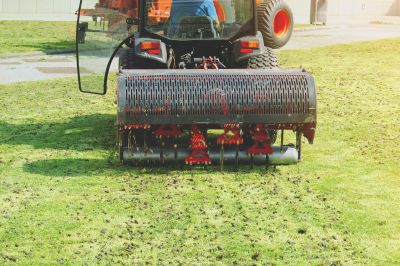
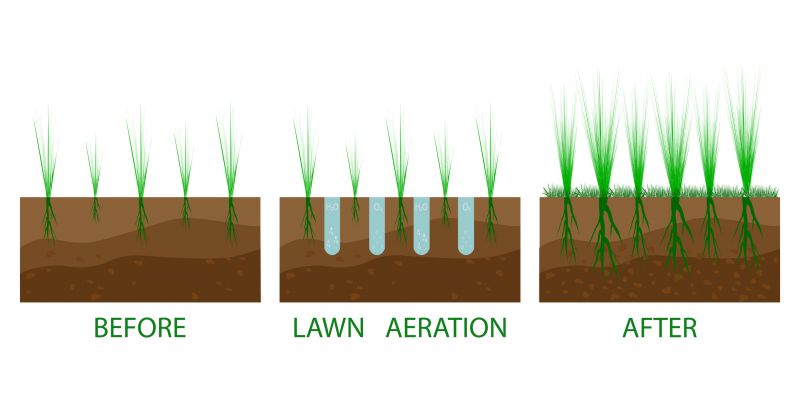
Residential lawn aeration services are often sought by property owners dealing with compacted soil that prevents healthy grass growth. Over time, foot traffic, heavy equipment, or natural settling can lead to a dense thatch layer, making it difficult for air, water, and nutrients to reach the grassroots. Local contractors who specialize in lawn care can assess these issues and provide aeration solutions to improve soil health and promote a lush, vibrant yard.
Homeowners may also look for lawn aeration when preparing for seasonal changes or upcoming landscaping projects. Aerating the lawn can help alleviate water runoff and reduce puddling, especially after heavy rains. Property owners aiming to maintain a healthy, attractive yard often turn to local service providers who can handle these tasks efficiently, ensuring their lawn remains resilient and visually appealing throughout the year.
What is lawn aeration? Lawn aeration involves creating small holes in the soil to reduce compaction and improve air, water, and nutrient flow to grass roots, promoting healthier turf.
Why should I consider lawn aeration? Aeration can help alleviate soil compaction, enhance root growth, and improve overall lawn health, especially in areas with heavy foot traffic or clay soils.
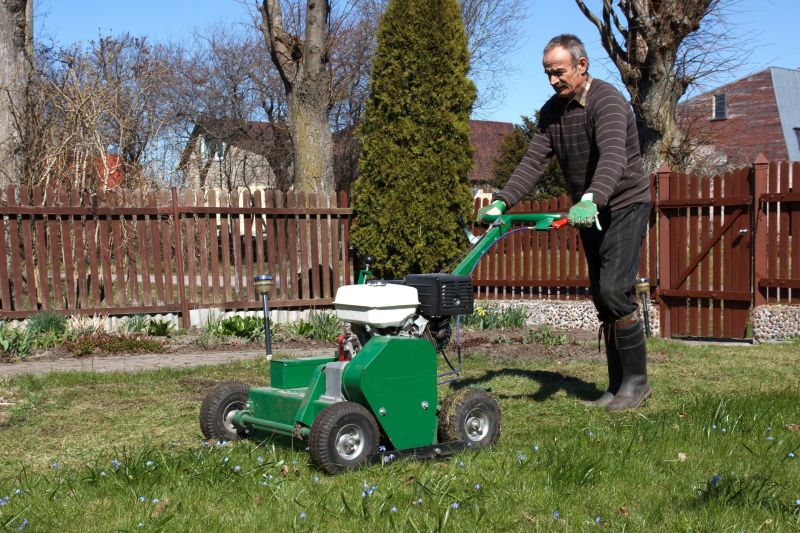
How do local contractors perform lawn aeration? Service providers typically use specialized equipment to perforate the soil, either through core or spike aeration methods, to achieve optimal soil penetration.
What types of lawn aeration are available? The most common types are core aeration, which removes plugs of soil, and spike aeration, which pokes holes into the ground; professionals can recommend the best option for specific lawn conditions.
How often should lawn aeration be done? The frequency depends on soil type and lawn usage, but many lawns benefit from aeration once or twice a year to maintain healthy growth.
Improve Lawn Health - Lawn aeration helps reduce soil compaction, allowing roots to grow deeper and access nutrients more effectively.
Prepare for Seeding or Overseeding - Aerating the soil creates ideal conditions for new grass seed to establish and thrive.
Reduce Thatch Buildup - Regular aeration can help break down excess thatch, promoting a healthier, more resilient lawn.
Enhance Water Absorption - Aeration increases soil permeability, helping water reach roots more efficiently during watering or rainfall.
If you are thinking about Residential Lawn Aeration for a property, this guide is meant to help you understand the work, the typical project types, and how different options might fit your plans.
When you are ready, you can use the quote form on this page to share a few details about your project. From there, local pros can review the basics and respond with options that match what you have in mind.